You have worked with SAP Process Orchestration for years. You know the platform, you know its limits and you know the support timeline. Your manager knows it too, and that is exactly the problem: 2030 sounds like a date from a future planning cycle, so the migration lands in the “later” column again.
This article is written for the person who wants to change that. We present five arguments you can use when discussing with your manager.
1. The maintenance math inverts after 2027
The date your manager remembers is 2030. The date that matters is December 31, 2027, when mainstream maintenance for SAP NetWeaver 7.5, the stack SAP PO runs on, ends. From 2028 the only option is extended maintenance, until the end of 2030, at a premium on top of the existing maintenance base.
That premium buys security patches and legal compliance. No new functionality has shipped for PO in years, and most probably none will. SAP is clear about the direction, their focus is BTP / BAIP and Integration Suite.
2. Specialists leave the market faster than systems
Graduates do not learn SAP PO. Experienced developers move to cloud platforms or retire, and every year the pool of people who can maintain a production PO landscape gets smaller and more expensive. Hiring PO skills in 2029 means competing with every other company that also waited.
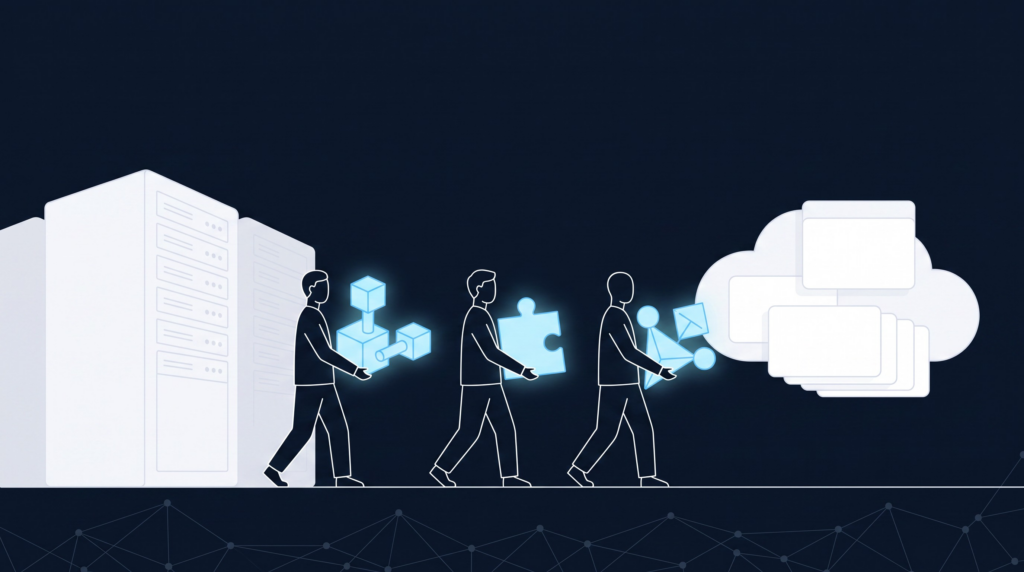
The counterweight is your existing team. PO knowledge transfers: message mappings, adapter configuration, error handling, monitoring discipline. A developer who has run a PO landscape for years can learn SAP Integration Suite reasonably fast. Reskilling the team in 2026 costs a fraction of replacing it in 2029, and it keeps the interface knowledge that is documented nowhere except in people’s heads.
Migration can also start small, or you can build only new integrations on SAP Integration Suite first, while PO keeps running what it runs today. The team absorbs the learning curve on low-risk work, before the migration waves begin.
3. Everyone is heading for the same exit
Every PO customer in the world faces the same maintenance dates. Experienced migration capacity, internal and from partners, does not scale on demand, so in 2028/29 that capacity will be scarce and priced accordingly.
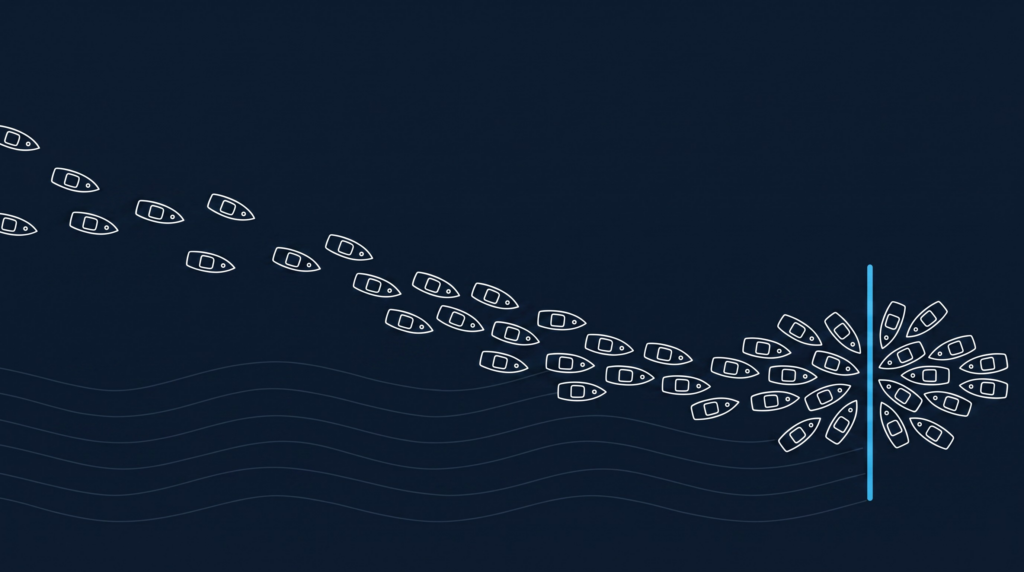
A large PO landscape might take 12 months or more of migration work even when done properly, in waves grouped by business process or connected system, with testing windows the business can absorb. Start in 2026 and the waves are calm: cutover happens on your schedule, integration by integration, with a fallback at every step. Start in 2029 and the same landscape becomes a forced big bang against a hard deadline, executed by whoever is still available, at that year’s rates. The work is the same either way. The price and the risk are not.
4. Migration cost has already fallen, and you can bring the numbers
Managers hear “migration” and translate it to “multi-year consulting engagement”. That effort model is outdated. Tooling has matured: AI accelerators and dedicated tools for landscape analysis, migration and testing now handle a large share of the mechanical work that used to consume consulting days, and some of these tools we have built ourselves.
A recent example: for one of our customers, we migrated 150 integrations to SAP Integration Suite in less than three months, with zero downtime. Compare that with any migration quote from three years ago.
Forrester’s Total Economic Impact study of SAP Integration Suite found a payback period of under six months. The direction matches what we see in projects: the cost of moving has fallen while the cost of staying rises every year after 2027.
5. Your manager’s AI initiatives land on the integration layer
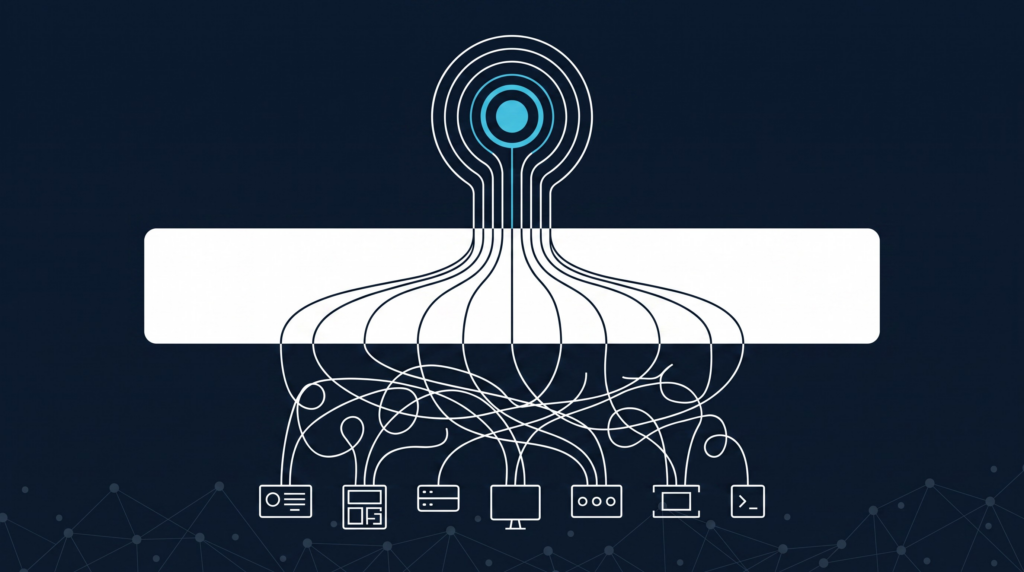
Every AI initiative in an SAP landscape, from analytics to agents, depends on the same mechanism: data and events pass through the integration layer, and the model only knows what integration delivers. AI use cases need APIs, events and governed data flows. PO provides none of these in a form modern AI tooling can consume, and that will not change. An AI strategy built on top of PO inherits PO’s ceiling. The same layer decides how fast the business can change at all. New partners, sales channels and SaaS services arrive faster than PO development cycles can absorb them. On Integration Suite the same work is also cheaper to build: a library of ready connectors instead of custom workarounds, prebuilt packages that turn weeks of development into hours of configuration, more mature tooling and a better developer experience. The same Forrester study measured a 30 percent increase in integration developer efficiency. What a delayed AI roadmap costs in the year the board expects results is a number your manager can estimate without a consultant.
The caveat to raise before your manager does
One thing should come from you first: consumption-based pricing on SAP Integration Suite is harder to forecast than PO’s fixed license. Message volumes drive cost, volumes fluctuate, and a budget owner used to a flat annual number will notice. SAP is not the exception here; consumption models dominate among iPaaS leaders, so switching vendors does not remove the problem. The honest answer is measurement. Your PO landscape already produces the data needed to model future consumption: message volumes, peak patterns, integration counts by type.
The first step a manager can say yes to
None of the five arguments asks your manager to approve a migration budget today. The first step is an assessment built on real traffic data from your PO system: which integrations exist, which are still in use, what they would cost to run on the target platform, and in which waves they should move. The output is the business case itself, with numbers from your own landscape instead of a vendor’s slide deck.
As a partner in the SAP PO Migration Factory program, we run this assessment and prepare a migration plan for you at no cost. If the migration is on your mind but not yet on your manager’s calendar, get in touch and we will start with your traffic data.
Frequently Asked Questions
When does SAP PO support end?
Mainstream maintenance for SAP NetWeaver 7.5, the stack SAP PO runs on, ends on December 31, 2027. Extended maintenance is available until the end of 2030 at a premium.
Can we still build new integrations on SAP PO?
You can, but no new functionality is being developed for the platform. A common approach is to build new integrations on SAP Integration Suite while PO keeps running the existing ones.
How long does a SAP PO migration take?
A large landscape is typically 12 to 18 months of work in waves. With mature tooling, 150 integrations can be migrated in less than three months.
Is SAP PO ready for AI scenarios?
No. AI use cases need APIs, events and governed data flows, which PO does not provide in a form modern AI tooling can consume. SAP’s development goes into BTP and Integration Suite.
What is the first step toward migration?
An assessment based on real traffic data from your PO system. As a partner in the SAP PO Migration Factory program, Sygeon runs the assessment and prepares a migration plan at no cost.