In these crazy AI times I finally sat down to read the recent 2026 Gartner iPaaS Magic Quadrant. And I did it the old-fashioned way by actually reading it instead of asking Claude for a summary! And it was more than 40 pages 😊
ecent weeks have been full of discussions and events around the intersection of AI and integration. As Massimo Pezzini (long-time Gartner veteran) recently presented: these are the most interesting times for the integration world. The AI revolution is here and iPaaS is sitting right in the middle of it. I fully agree. It was a great pleasure to listen to Massimo’s presentation.
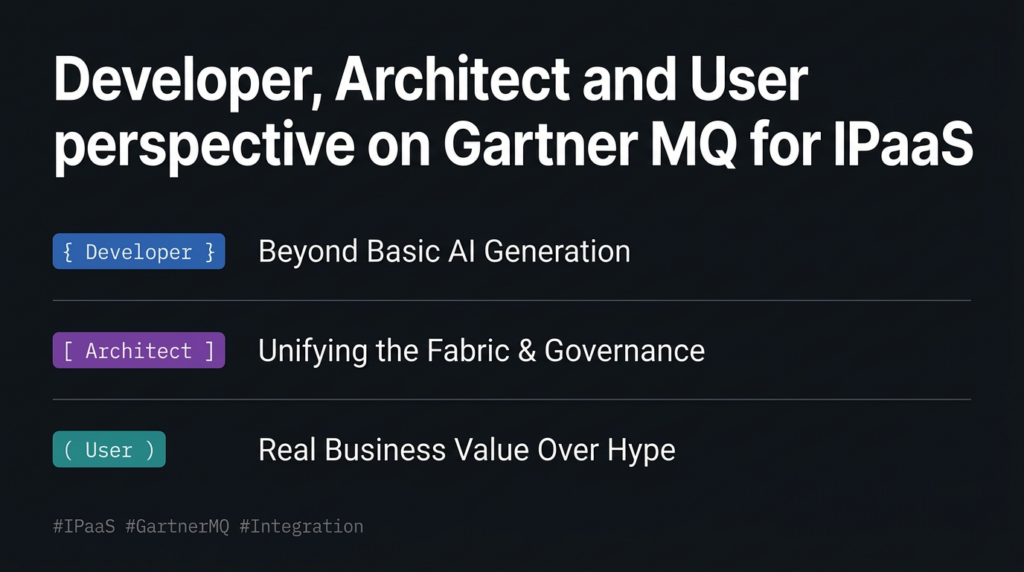
The report clearly states that iPaaS is essential for AI-ready integration. But looking at the 2026 MQ through the lens of a developer, an enterprise architect and a platform user (guess which one we use internally at Sygeon?), I wanted to share my perspective on how this impacts our actual landscapes.
The SAP and MuleSoft Stagnation
Compared to 2025 SAP moved to the right on the grid while report expectations rose. When working with SAP IS I do not feel that the vision especially for AI is any more complete than last year. Integration was always just one topic in BTP while BTP was always less important than S/4HANA Cloud. I understand the report notes SAP is heavily focused right now on modernizing and migrating legacy customers. But for an architect looking for rapid innovation it feels like they lagged behind. Right now SAP IS still feels like a mix of SAP PO in the cloud, a part of Solace and a part of Apigee.
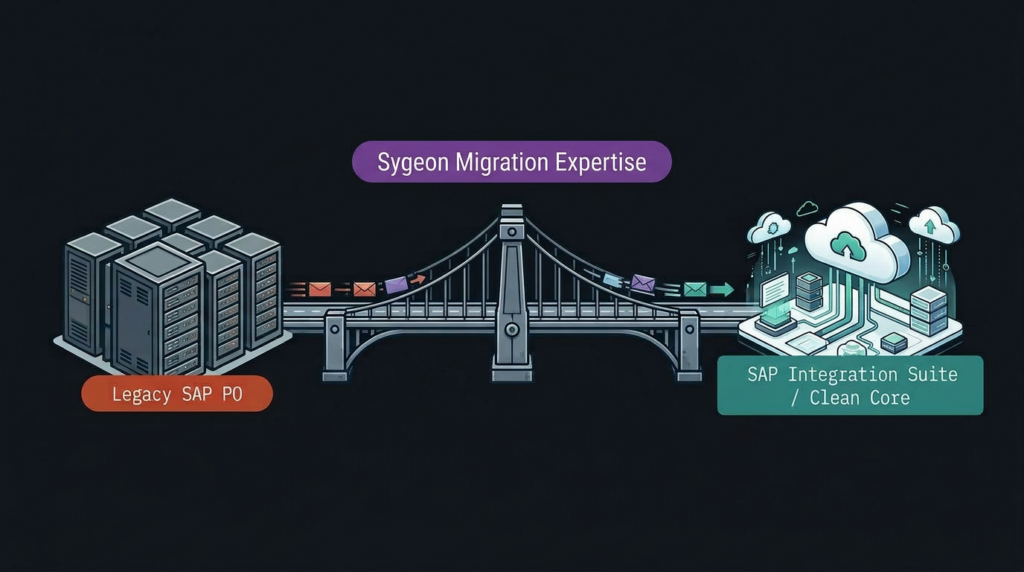
This is exactly where our expertise at Sygeon comes in. We help enterprises navigate complex migrations from SAP PO to SAP IS ensuring you build a robust clean core architecture even while the platform’s AI vision matures.
Both MuleSoft and SAP stalled in bringing fresh innovations. Salesforce is certainly exceeding market expectations but ironically mostly when it comes to buying new companies. By doing so they continue building a patchwork landscape. The market demands a unified integration fabric yet the report points out their recent acquisition of Informatica. This introduces uncertainty and overlapping capabilities for the Anypoint platform.
American players on European Market
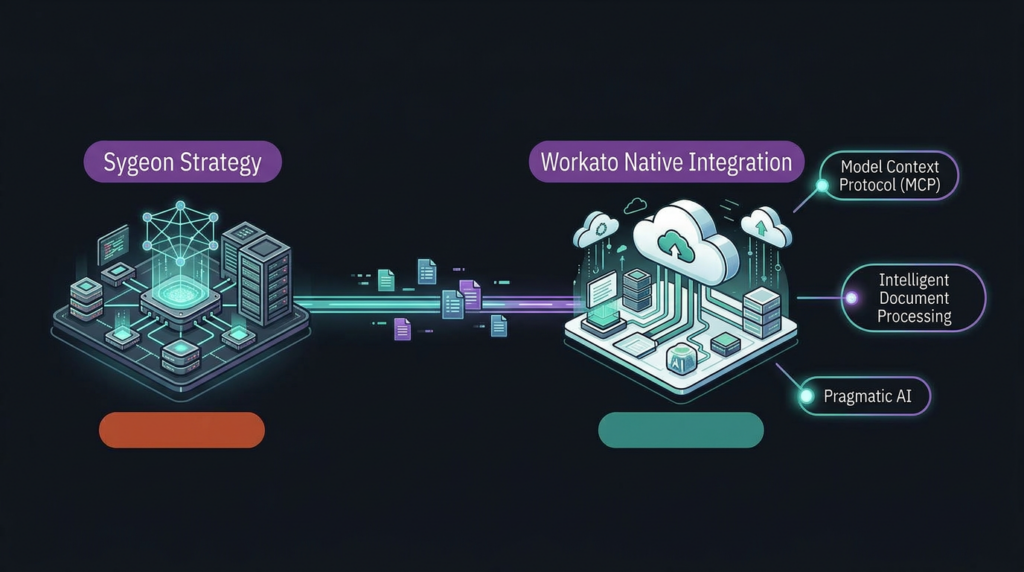
A few years back we evaluated at Sygeon if Boomi was an option for the European market. In our opinion it was not so we resigned from building this partnership. Workato in the meantime was able to deliver and change market perception. Workato is truly focusing on integration and building it natively. They recently added support for the Model Context Protocol and intelligent document processing. This pragmatic focus on real business value is exactly why we recently formed a strategic partnership with their team.
Governance, Operations and the “Silent Error”
The report notes that basic AI integration features are no longer a differentiator. One great point the report highlights instead is the need for an AI control layer. We need iPaaS solutions that support emerging protocols like MCP to give AI secure access to enterprise data.
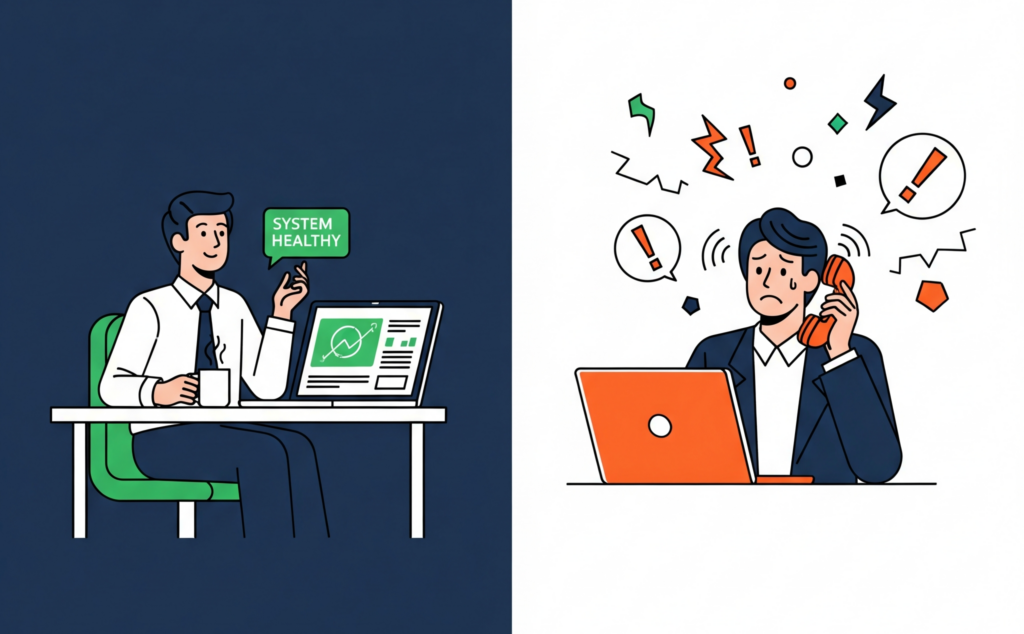
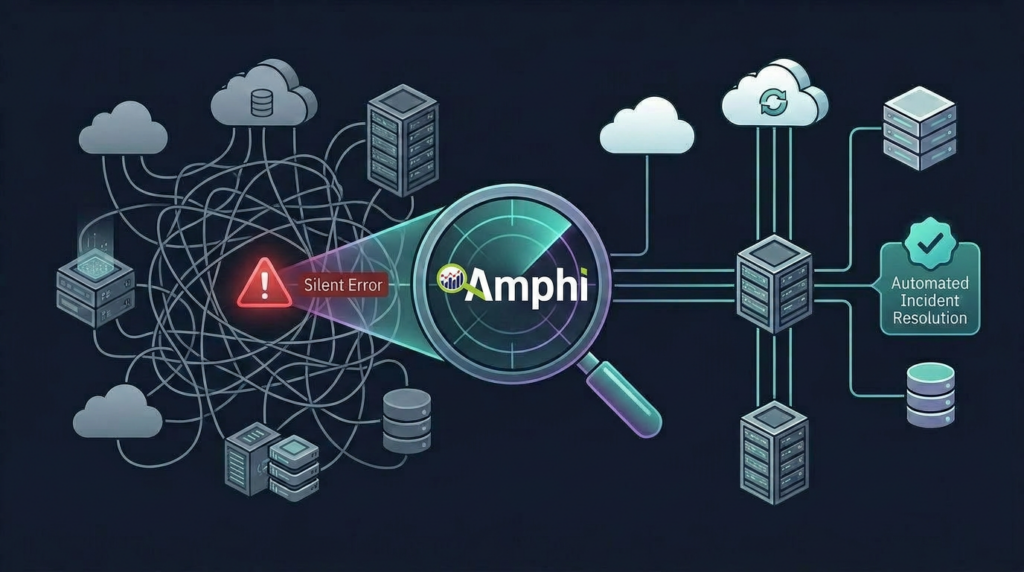
But what about AI in operations? The report touches on using AI for anomaly detection and performance insights. From an architect’s perspective we need more focus on practical tools. Complex hybrid landscapes generate “silent errors” that native platforms often miss. Think about an AI knowledge base, automated incident resolution or at least smart AI-based suggestions for fixing these errors. This is exactly why we built Amphi. We realized that enterprises need ultimate observability across their entire architecture rather than just chasing AI hype.
API vs EDA
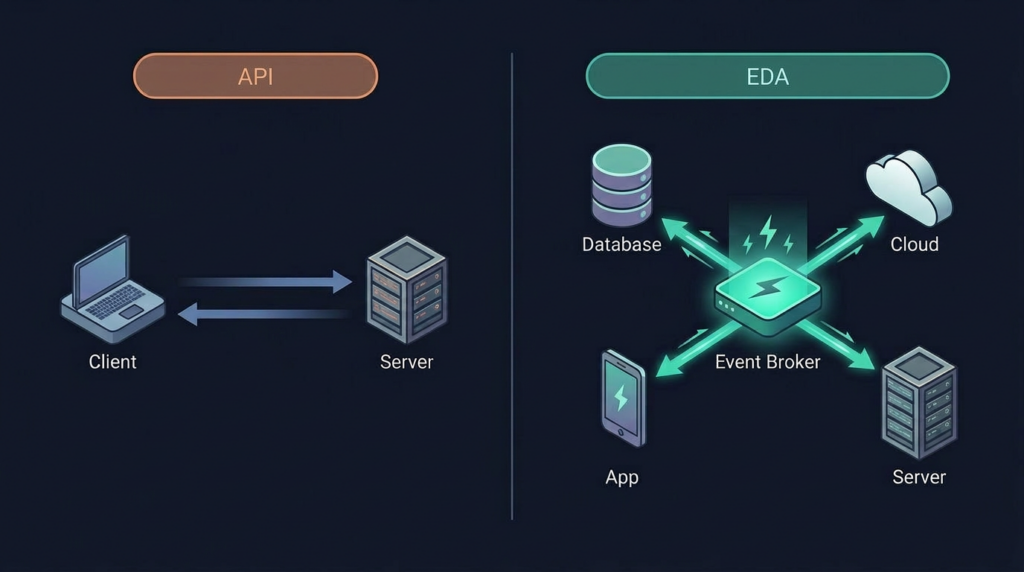
The report mentions composite services exposing APIs as one of the requirements for iPaaS. If that is the case then why was Zapier included in the report? While it is not listed as mandatory it really should be. Also there is way too much focus on APIs across the board. How about event-driven integrations? We need to talk more about EDA.
The Missing Player: n8n
Then the question is why n8n was not listed on the main grid? Now I know why. The revenue must be at least 60m USD alongside a specific customer number. It gets interesting in the honorable mentions though. n8n is there but how will they manage due to their recent security problems? What to watch during next year? Definitely n8n and Tray.ai.
Looking Ahead: Sovereignty and Lock-in
We need to look into the future. The report highlights data sovereignty as a massive buyer consideration. Combine that with the need to avoid vendor lock-in and we have a major architectural challenge ahead. We must be able to switch platforms when needed. What role will AI play here?
At Sygeon we build vendor-agnostic strategies. Whether you are migrating to SAP IS, leveraging Workato or implementing Amphi for hybrid SAP integration monitoring we ensure your architecture serves your business today and tomorrow.
Are you facing a complex migration, struggling with silent errors or looking to build a future-proof integration architecture? Let’s talk.